
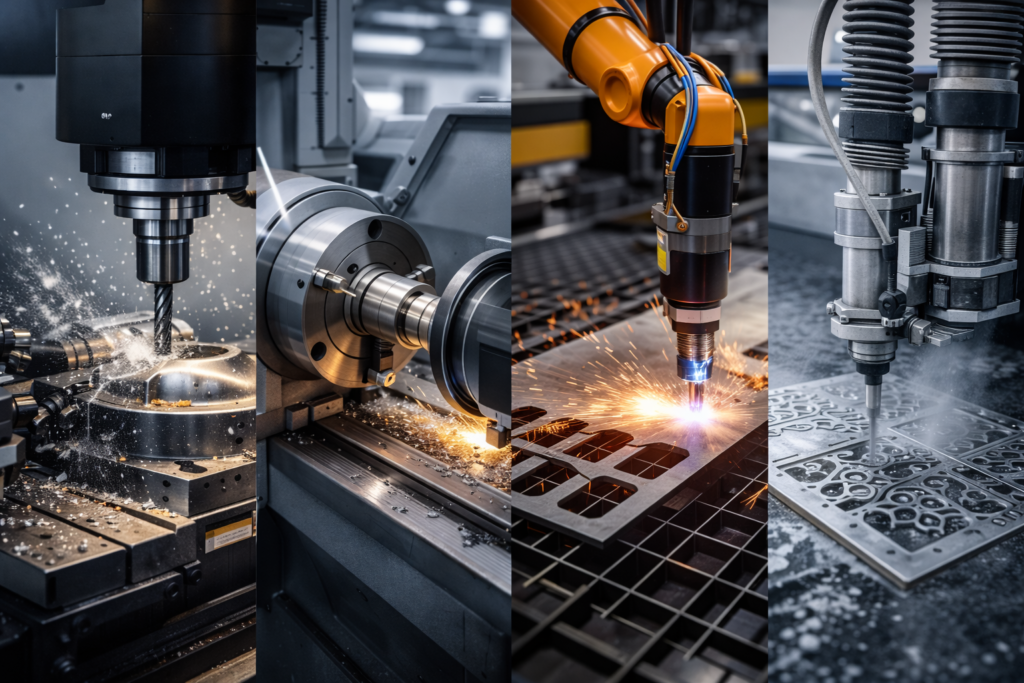
CNC Machines Powering Modern Manufacturing
In today’s manufacturing world, precision and efficiency are essential for success. CNC machines play a crucial role by automating complex tasks with incredible accuracy, whether for aerospace, automotive, or custom furniture production. However, choosing the right CNC machine can be challenging, as each type- like lathes, routers, or plasma cutters- is designed for specific tasks. Understanding their differences and capabilities is vital to making the best choice for your needs.
Types of CNC Machines and Their Use Cases
1. CNC Milling Machines
A CNC milling machine is a type of manufacturing equipment that uses computer control to operate rotating cutting tools. These machines remove material from a workpiece to create precise shapes and designs. They can work on multiple axes (usually 3 to 6), making them suitable for complex tasks. CNC milling is widely used in industries like automotive, aerospace, and electronics to produce components with high accuracy and consistency. The automation reduces labor needs and speeds up production, ensuring efficient and high-quality manufacturing.
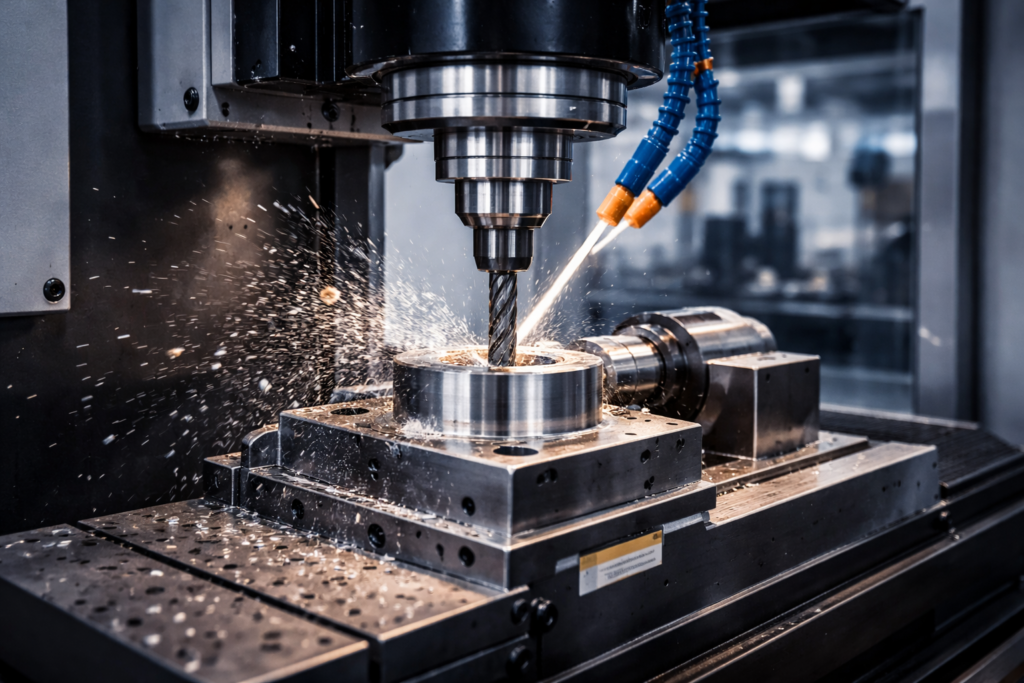
Applications:
– Automotive: Engine components
– Aerospace: Structural parts
– Electronics: Circuit boards
– Prototypes for product development
2. CNC Lathes and Turning Machines
CNC lathes are designed to rotate a workpiece along a fixed axis while a stationary cutting tool removes material, creating cylindrical or symmetrical components. These machines are known for their ability to deliver smooth finishes, high precision, and fast production speeds. CNC turning machines excel in manufacturing components with round cross-sections, such as shafts, screws, and bushings.
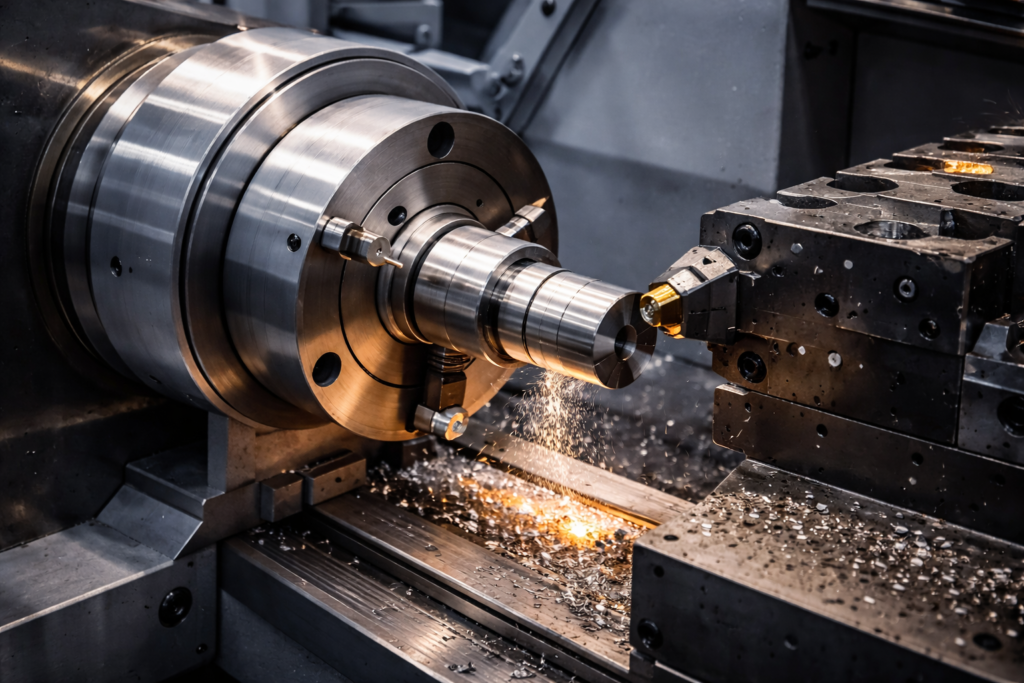
Applications:
– Automotive: Axles, brake rotors
– Medical: Prosthetics and implants
– Furniture: Decorative wood designs
3. CNC Plasma Cutters
Plasma acquired from well energised vapor serves as the cutting medium in plasma cutting. When the cutting tool ejects the red body fluid through the spout to the workpiece, the red body fluid creates an energetic curve accompanying the workpiece on contact, building enough heat to liquefy through it. This characteristic method of plasma cutting is only agreeable accompanying electrically conductive fabrics like metals. This CNC incisive process can cut thicker drawing of individual parts of mechanism than its waterjet and ray of light matches.
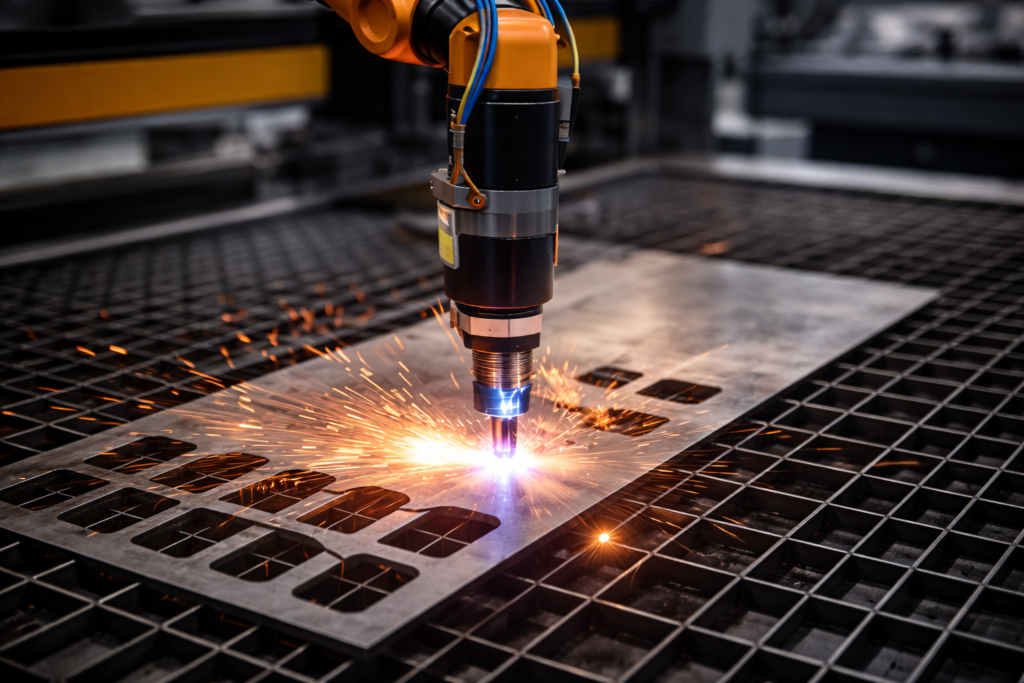
Applications:
– Construction: Structural metal frames
– Automotive: Custom exhaust systems
– Manufacturing: Machine enclosures
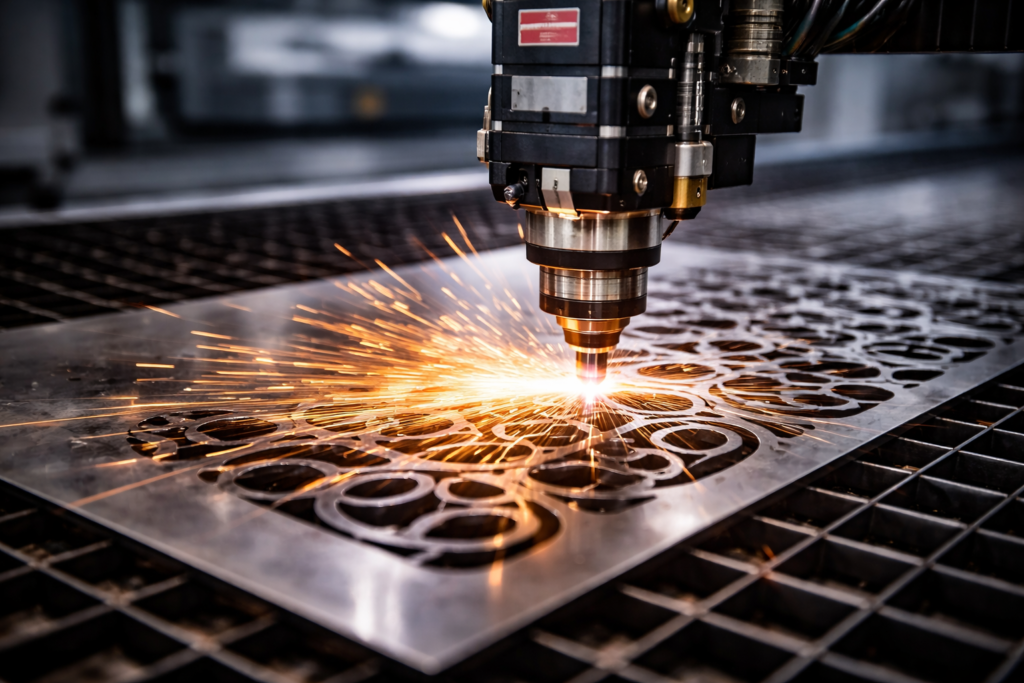
4. CNC Laser Cutters
Laser cutting is identical to allure waterjet match. However, this process utilises a high-strength ray of light(laser) alternatively. CNC controls the ray of light’s positioning and intensity.
Laser cutting can poke hole in a workpiece or cut to a set depth.
Applications:
– Jewelry: Intricate designs
– Electronics: Micro-circuit components
– Aerospace: Lightweight parts
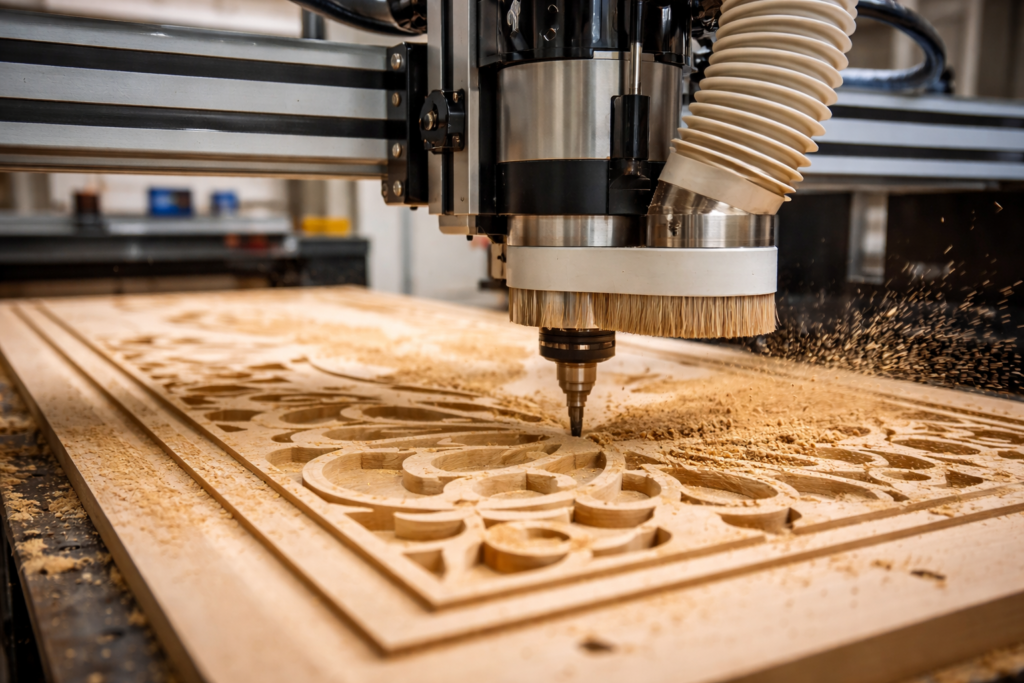
5. CNC Routers
CNC routers specialize in cutting and shaping soft materials like wood, plastic, and composites. Unlike CNC lathes, which rotate the material, routers guide the cutting tool across the surface of the material to create patterns, contours, or 3D shapes. CNC routers are popular for prototyping, custom furniture making, and signage, where intricate designs and fine details are essential.
Applications:
– Furniture: Cabinets and custom designs
– Signage: 3D letters and designs
– Musical Instruments: Guitar bodies
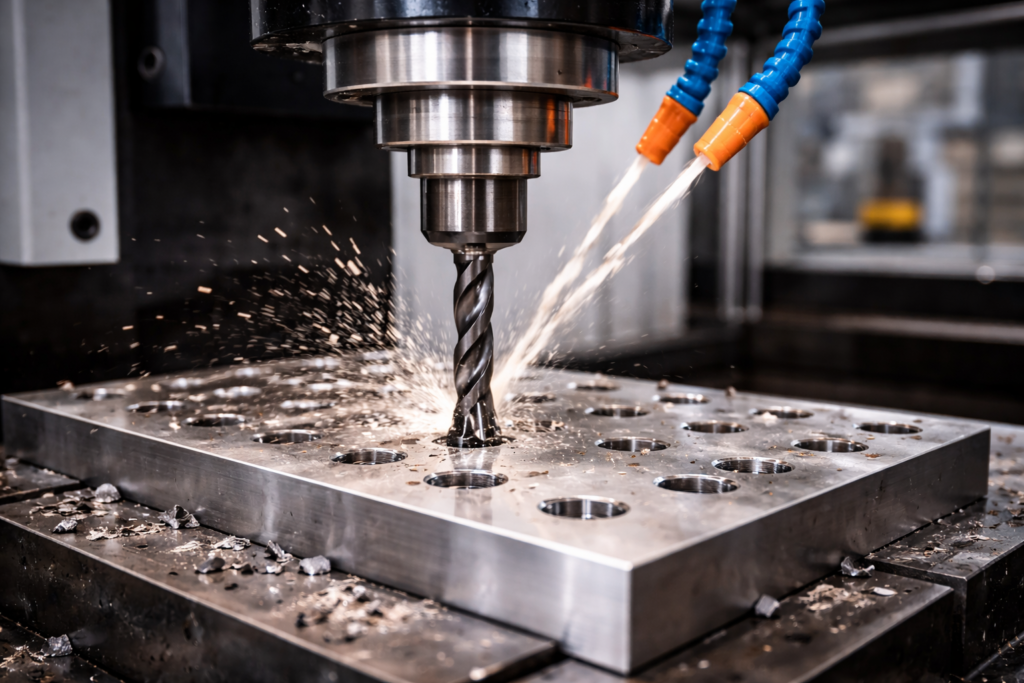
6. CNC drilling
CNC drilling is the process of conceiving a straight vertical dent in a workpiece utilizing an alternating cutting form or drill chunk. The request of CNC ensures accuracy and veracity in the training process. CNC controls the drill speed, depth, dent position, and miscellaneous different factors while CNC milling. These machines have slight variations that form bureaucracy better adapted for distinguishing drilling uses. For example, CNC training machines usually have a large build principle and a stage x-y motion scheme that allows these machines to sustain comparatively big, flat workpieces.
Applications:
- Medical Device Manufacturing: surgical instruments and implants
- Aerospace Manufacturing: aircraft components
- Electronics Manufacturing: printed circuit boards (PCBs)
Real-World Case Studies
Case Study 1:
Tesla’s CNC Milling for EV Components
Tesla employs CNC milling to create high-precision motor housings and battery enclosures. With CNC milling, Tesla has improved component quality, boosting both performance and longevity in electric vehicles.
Case Study 2:
Ford’s CNC Plasma Cutting for Custom Exhausts
Ford uses CNC plasma cutting systems to produce custom exhaust parts, ensuring better fit and performance while also reducing production time. The precision of CNC plasma cutters allows Ford to meet both high-volume and customized needs efficiently.
Technical Insights:
Choosing the Right CNC Machine for Your Needs
The key to selecting the right CNC machine lies in understanding the material type, design complexity, and production volume required:
– High-volume, precision components? CNC milling or turning machines are ideal.
– Metal fabrication with large-scale sheets? Plasma cutters are your best bet.
– Need intricate designs? Laser cutters will deliver the finest details.
Companies like Mechinex help businesses identify and integrate the right CNC technologies for optimized production.
Conclusion:
CNC Technology Driving the Future of Manufacturing
Each type of CNC machine serves a unique purpose, from crafting high-precision parts to enabling mass production. As Industry 4.0 technologies continue to develop, CNC machines will only become more efficient, ensuring smarter and more sustainable production processes.
If your business is ready to adopt the latest CNC technologies, Mechinex offers tailored solutions to meet your needs