
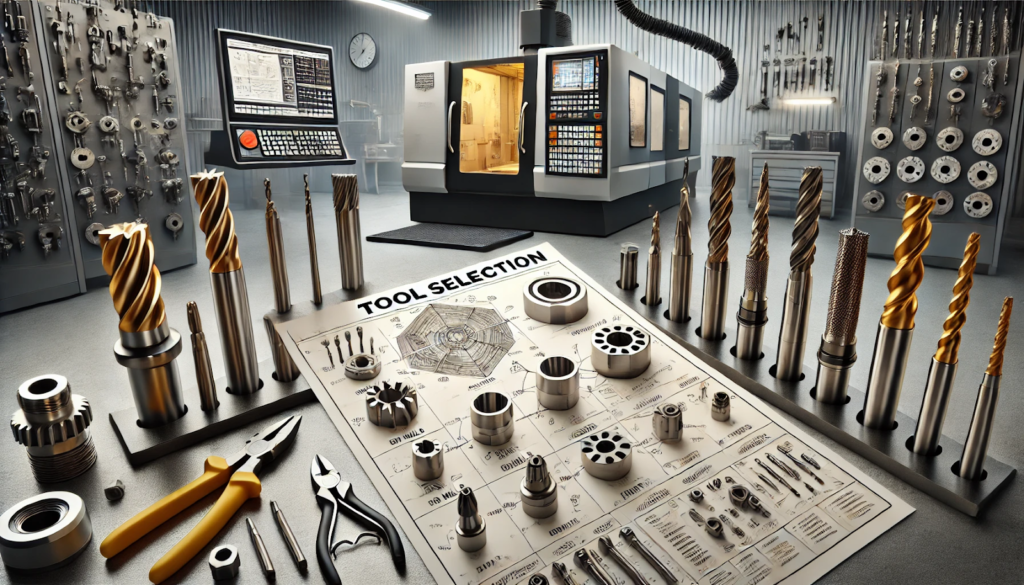
Why Tool Selection Matters in CNC Machining
Precision is everything in CNC machining, where the accuracy of the tool directly influences the final product’s quality, production efficiency, and cost. However, the right tool selection is often overlooked, especially by businesses trying to cut costs or speed up production. Using inappropriate tools can lead to poor surface finishes, increased wear, and material wastage, ultimately affecting productivity and profitability.
This blog explores why choosing the right tool is crucial in CNC machining and how it impacts small to large-scale manufacturing. From cutting speeds to material compatibility, we cover the essentials to help businesses make informed decisions that optimize productivity, reduce waste, and extend machine lifespan.
Key Aspects of Tool Selection in CNC Machining
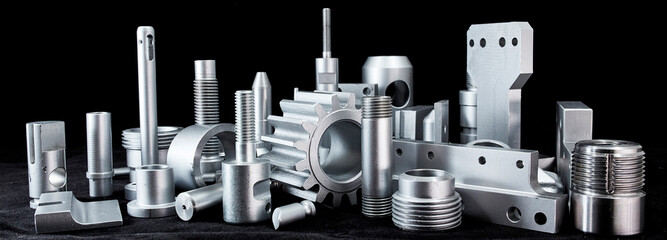
Alt text: A collection of precision-machined metal components, showcasing the variety of parts produced using CNC machining.
1. Material Compatibility: Matching Tools to Workpieces
Every material whether it’s aluminum, steel, wood, or plastic reacts differently to cutting. Choosing tools with the right coating, geometry, and hardness ensures better performance and tool longevity.
Example:Carbide tools are ideal for harder materials like steel, while high-speed steel (HSS) is better suited for softer metals or plastics.
For specialized material machining, explore Mechinex’s CNC solutions .
2. Tool Geometry: Impact on Cutting Quality
The shape, size, and angle of a cutting tool’s edge directly affect the cutting process. Tools with the wrong geometry can lead to excessive vibration, uneven cuts, or tool failure.
Example: A tool with a sharp rake angle is ideal for softer materials, ensuring smoother cuts, while a negative rake angle works better for harder metals.
Choosing tools with optimal geometry enhances machining performance and ensures better surface finishes.
3. Cutting Speed, Feed Rate, and Tool Material
The speed and feed rate need to align with the tool material and workpiece to prevent overheating or tool breakage. CNC tools made from carbide can sustain high cutting speeds, while HSS tools require lower speeds but offer greater flexibility.
Pro Tip: Always consult cutting speed charts to set the right parameters for CNC machining.
To discover more ways to optimize CNC speeds and feeds, visit Mechinex
4. Tool Wear and Maintenance: Extending Tool Life
Regular tool maintenance and monitoring wear ensures consistent production quality and prevents downtime. Smart tool selection can reduce wear, especially if the right tool coatings such as titanium nitride (TiN) or diamond—are used to enhance hardness and reduce friction.
Example: A CNC lathe operator can extend tool life by choosing coated carbide inserts over uncoated HSS tools for heavy-duty operations.
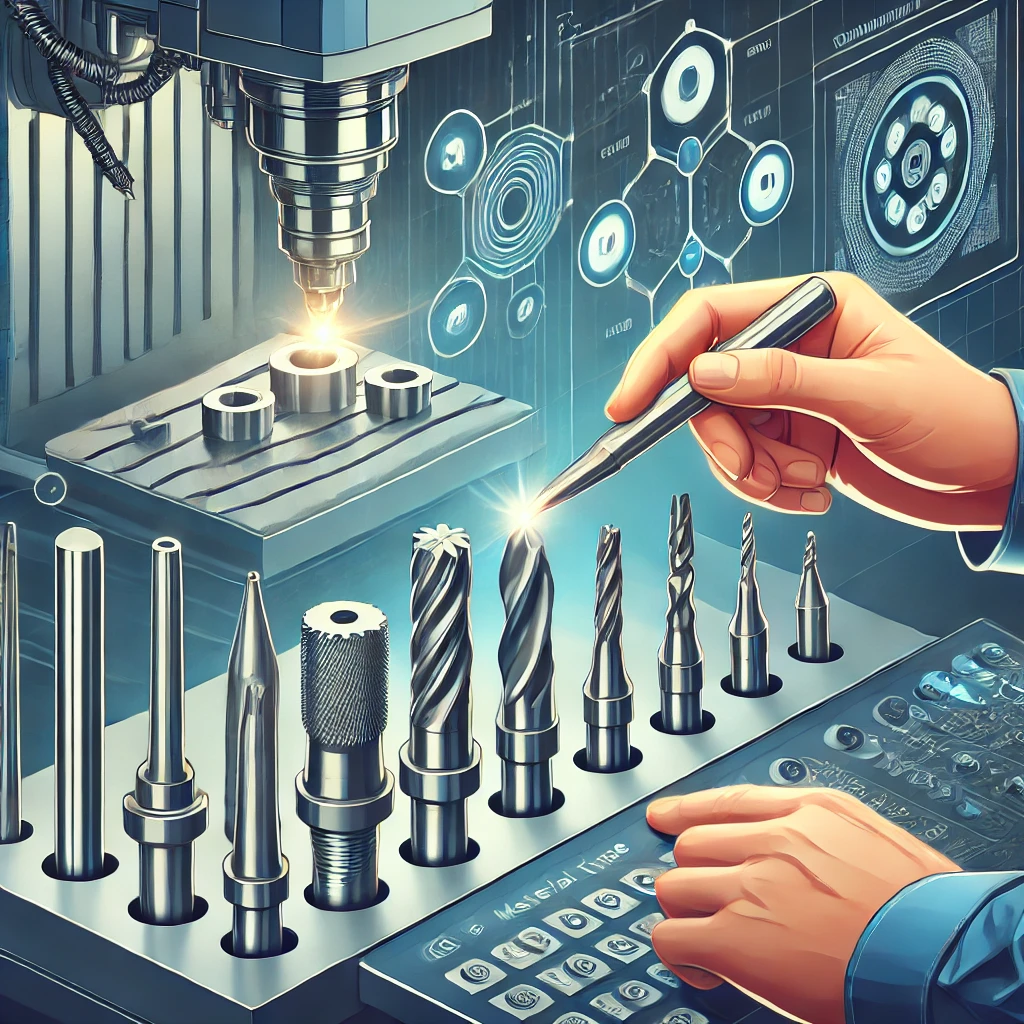
Alt text- Illustration of an engineer selecting CNC tools like end mills and drill bits, emphasizing accuracy and material compatibility for efficient machining.
5. Multi-Tool vs. Dedicated Tools: Balancing Flexibility and Precision
In some operations, multi-purpose tools offer flexibility but may compromise precision. For high-accuracy jobs, using dedicated tools is more effective, even if it means changing tools frequently during the machining process.
Example: A CNC milling process may require switching from a roughing end mill to a finishing tool to achieve a smooth surface finish.
Case Studies: Tool Selection in Action
Case Study 1: Tool Optimization in Automotive Part Production
An automotive supplier experienced frequent tool breakages when manufacturing engine components from hardened steel. After switching to coated carbide tools with optimized cutting parameters, the company reduced tool wear by 40% and improved production speed by 30%.
Case Study 2: Furniture Manufacturer’s CNC Router Upgrade
A furniture SME struggled with poor surface finishes when cutting MDF sheets using general-purpose router bits. By upgrading to compression bits, the company eliminated material fraying, reduced rework, and improved the overall product quality, leading to a 20% increase in customer satisfaction.
Technical Insights: Types of CNC Tools and Their Applications
End Mills: Best for contouring, profiling, and slotting in CNC milling operations. Drills: Designed for precision hole-making in metal, plastic, and wood.
Turning Inserts: Ideal for producing cylindrical parts with lathes and turning machines.
Compression Bits: Used in CNC routers to prevent fraying during woodwork.
Plasma and Laser Cutter Nozzles: Perfect for high-precision cutting of metals and composites.
Check out Mechinex’s full range of CNC tools
Conclusion: Tool Selection—A Critical Factor in CNC Success
In CNC machining, the right tool selection can be the difference between success and failure. Properly chosen tools ensure higher productivity, reduced downtime, and lower production costs. As CNC technology evolves, investing in advanced tools with optimized geometries and coatings will allow businesses to stay competitive while maintaining product quality.
If you’re ready to improve your CNC machining operations, explore Mechinex’s advanced CNC solutions tailored to your needs at Mechinex