
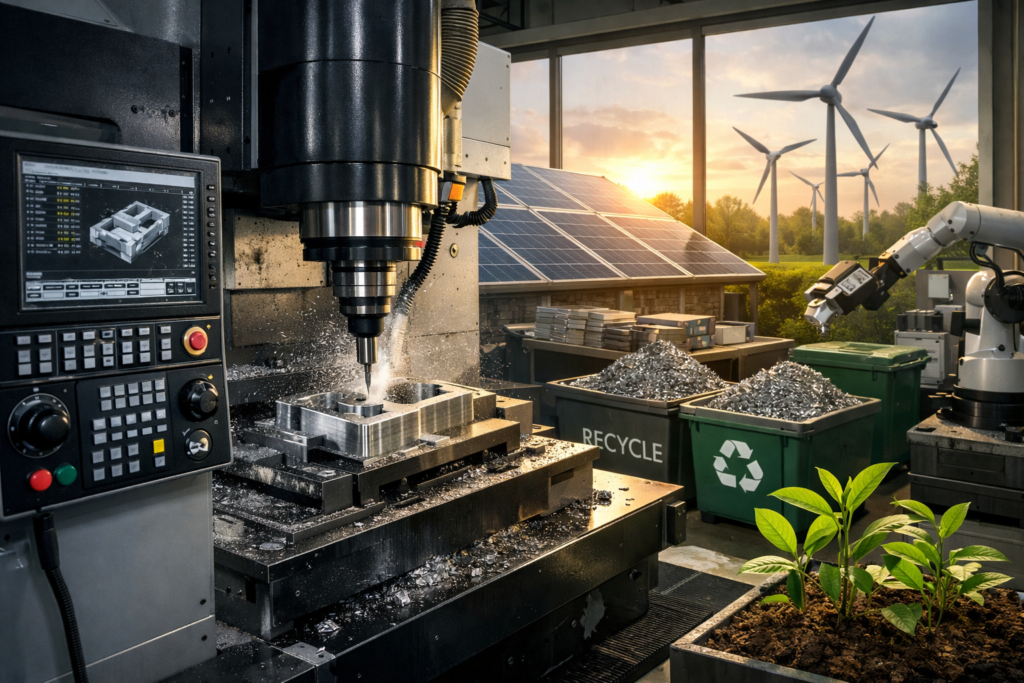
Sustainable Manufacturing in Action: How CNC Machines Help Reduce Waste and Energy Use
As industries strive toward reducing their carbon footprint, the focus on sustainable manufacturing practices has never been more critical. Traditional manufacturing methods often result in excessive material waste, energy consumption, and pollution. However, CNC (Computer Numerical Control) machines present an eco-friendly alternative by streamlining production processes, reducing waste, and improving energy efficiency. But how exactly do CNC machines contribute to sustainable manufacturing, and why should businesses embrace this shift? In this blog, we will explore the vital role CNC technology plays in promoting environmentally friendly practices.
Driving Sustainability with CNC Machines: Practical Benefits and Impactful Solutions
1. Reduced Waste through Precision Manufacturing
CNC machines work with precise CAD/CAM instructions, minimizing raw material waste. Unlike manual methods that may result in inconsistent outcomes and scrap material, CNC tools can replicate parts with accuracy to the micron level.
Example: A CNC plasma cutting machine in a metal fabrication company ensures that sheets are cut with minimal offcuts, reducing wastage and maximizing resource utilization.
2. Energy Efficiency in Production
CNC machines operate with higher efficiency, leading to lower energy consumption. Automated processes reduce idle time and unnecessary power usage, cutting down the overall carbon footprint of production.
Case Study:A small automotive component manufacturer replaced its manual lathes with CNC systems, reducing both energy costs and production times, significantly lowering the plant’s carbon emissions.
3. Longer Tool Life and Predictive Maintenance
CNC machines use advanced monitoring systems that predict tool wear, enabling timely maintenance. This approach extends the life of machine components, reducing the need for frequent replacements and limiting waste.
Technical Insight: Implementing predictive maintenance using IoT-integrated CNC machines not only improves uptime but also ensures minimal resource consumption over time.
4. Optimized Inventory and Lean Manufacturing
CNC technology supports just-in-time (JIT) manufacturing, where products are created based on demand, reducing the need for large inventories and warehouse space.
Benefit:With CNC-based JIT, companies can minimize material storage, avoiding spoilage or obsolescence of parts, thus promoting sustainable production.
5. Eco-Friendly Material Usage and Recycling
CNC machining allows for efficient use of eco-friendly and recyclable materials. Industries can use sustainable materials like aluminum or recycled plastics without compromising on quality.
Example: An SME specializing in consumer electronics uses CNC machines to produce eco-friendly components from recycled metals, cutting down on virgin material use.
6.Ai in machining
Artificial Intelligence (AI) revolutionizes CNC machining by minimizing errors and enabling 100% data-driven decision-making. Integrated with solutions like Millsoft, AI optimizes tool selection, enhances real-time monitoring, and ensures precise machining outcomes.
Example: Millsoft’s AI-powered systems reduce programming errors and improve operational accuracy, providing consistent, high-quality results with minimal human intervention.
Case Studies or Real-World Examples
1. Mechinex’s Adoption of CNC Technology for Green Manufacturing:
At Mechinex, CNC machining has revolutionized production by reducing material wastage by 30% and cutting energy consumption by 20%. The adoption of this technology aligns with Mechinex’s sustainability goals, creating a positive impact on the environment while maintaining operational efficiency.
2. Aerospace Industry: CNC in Sustainable Jet Engine Manufacturing
CNC machines are widely used in the aerospace industry to produce lightweight, fuel-efficient components. This not only improves aircraft performance but also contributes to lowering emissions.
Technical Insights
Advanced CNC Software for Material Optimization: CAD/CAM tools integrated with CNC systems ensure the optimal use of raw materials, minimizing scrap.
Automated Tool Changes: CNC machines with automated tool changers allow faster production runs, minimizing downtime and energy consumption.
Smart Factory Systems: Many CNC machines now integrate with IoT systems, enabling remote monitoring and reducing unnecessary operations, further promoting energy savings.
Conclusion
CNC machines offer a sustainable solution for modern manufacturing challenges by reducing waste, conserving energy, and promoting lean production practices. As industries seek to balance profitability with environmental responsibility, adopting CNC technology becomes a strategic step toward a greener future. Businesses like Mechinex demonstrate that sustainability and efficiency can go hand in hand by embracing CNC-driven solutions.